Blogs
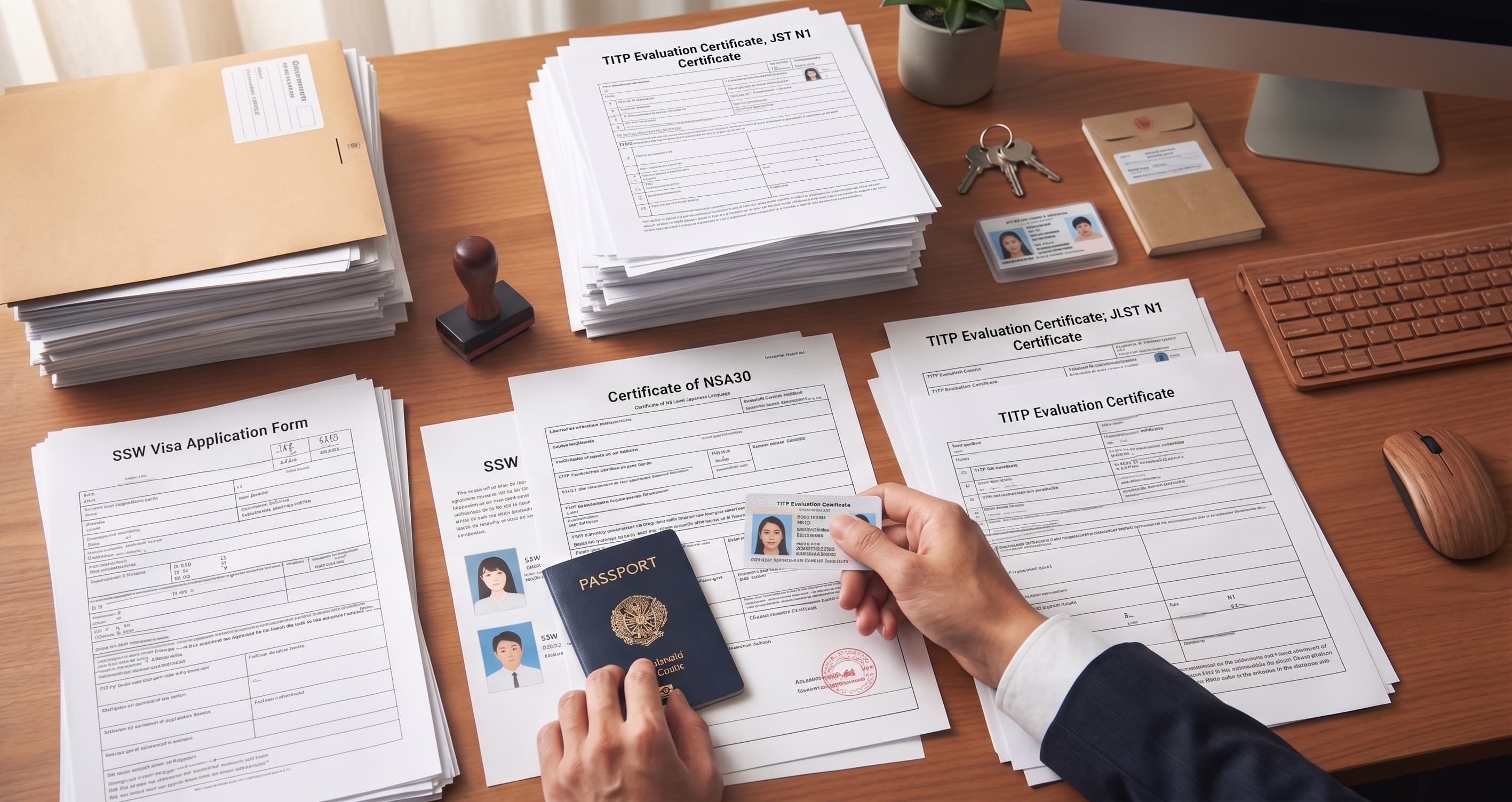
Documents You Need Before Applying for an SSW Visa
Securing a Specified Skilled Worker (SSW) visa requires meticulous preparation and strict adherence to Japanese immigration standards. The cornerstone of your application is the Certificate of Eligibility (COE), issued by Japan's Immigration Services Agency. To obtain the COE, you must submit an official JLPT or JFT-Basic language proficiency certificate, proof of passing the relevant industry-specific skills test, and a signed employment contract with your sponsoring company.In addition to these core requirements, applicants must also provide a set of standard supporting documents, including a valid passport, biometric photographs, a clean medical examination report, and official records of educational or prior training completion. Ensuring that all documentation is accurate, complete, and aligned with immigration expectations is essential for a smooth and efficient submission process.
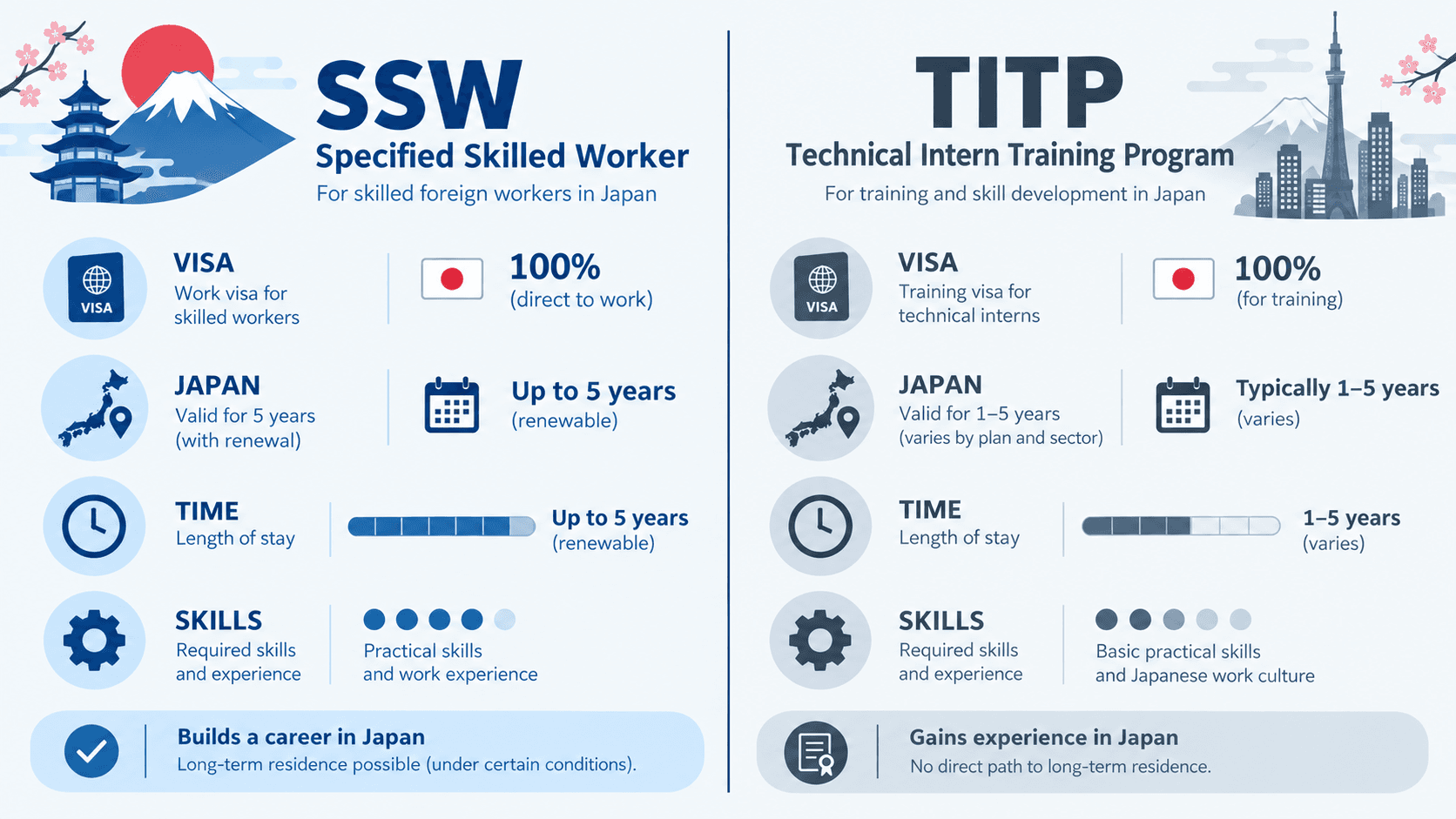
SSW vs. Technical Intern Training Program (TITP): What's the Difference?
While both the Specified Skilled Worker (SSW) program and the Technical Intern Training Program (TITP) allow foreign nationals to work in Japan, their core purposes and legal rights differ significantly. TITP is primarily an international cooperation initiative aimed at skill transfer back to home countries, featuring fixed non-renewable terms and strict limits on switching employers. In contrast, SSW is an employment-focused status created to fill critical labor shortages with job-ready candidates, offering equal pay with Japanese nationals, clearer regulatory protections, the flexibility to change workplaces within the same industry sector, and pathways for career longevity.

Life in Japan: A Day in the Life of an SSW Worker in Osaka
Living in Osaka as a Specified Skilled Worker blends a fast-paced professional routine with the warmth and energy of Japan's culinary capital. A standard weekday begins with a prompt commute on the local train lines, stepping into an active shift where teamwork, clear Japanese reporting (ho-ren-so), and technical duties take center stage. Once off the clock, Osaka offers an unmatched quality of life, allowing workers to unwind by shopping through local shotengai arcades, sharing takoyaki along Dotonbori with coworkers, or enjoying quiet downtime in convenient company-arranged apartments, providing a fulfilling balance of professional development and vibrant cultural immersion.
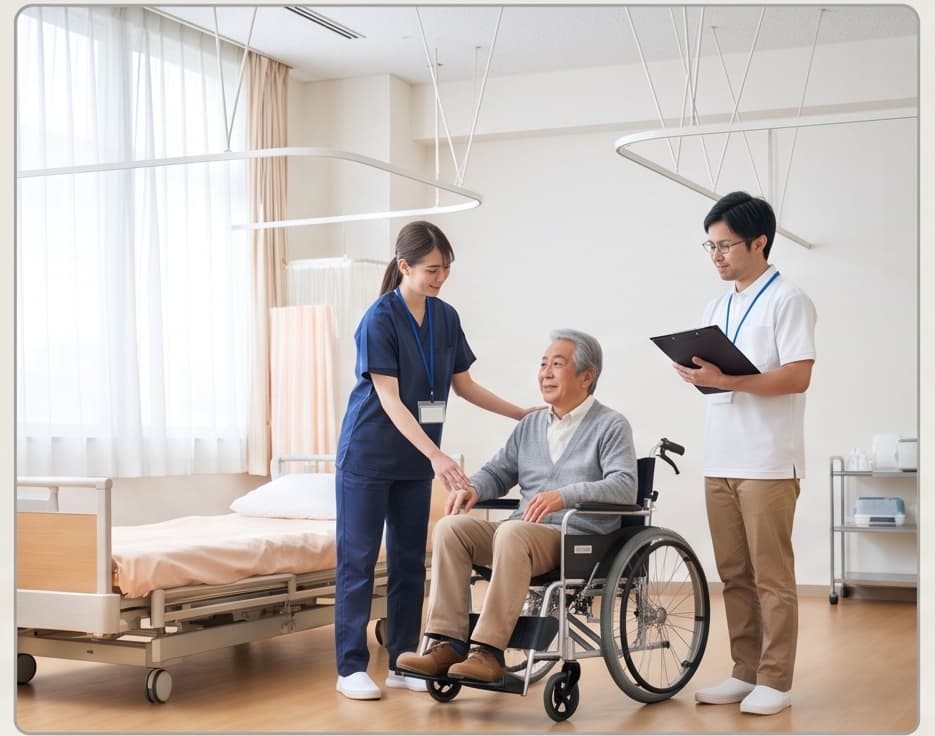
What to Expect at the Caregiving Skill Evaluation Test
The Caregiving Skill Evaluation Test is designed to verify that candidates possess the practical knowledge and Japanese communication ability required to assist elderly residents safely. Conducted as a computer-based testing (CBT) examination, it features multiple-choice questions covering physical care techniques, ethics, hygiene management, and bodily mechanisms, alongside an evaluation of specialized Japanese caregiving terminology. Rather than testing abstract theory, the exam presents real-life situational prompts—such as proper transfer techniques from a bed to a wheelchair or communication protocols during meal assistance—making hands-on understanding and safety-first instincts essential for securing a passing mark.
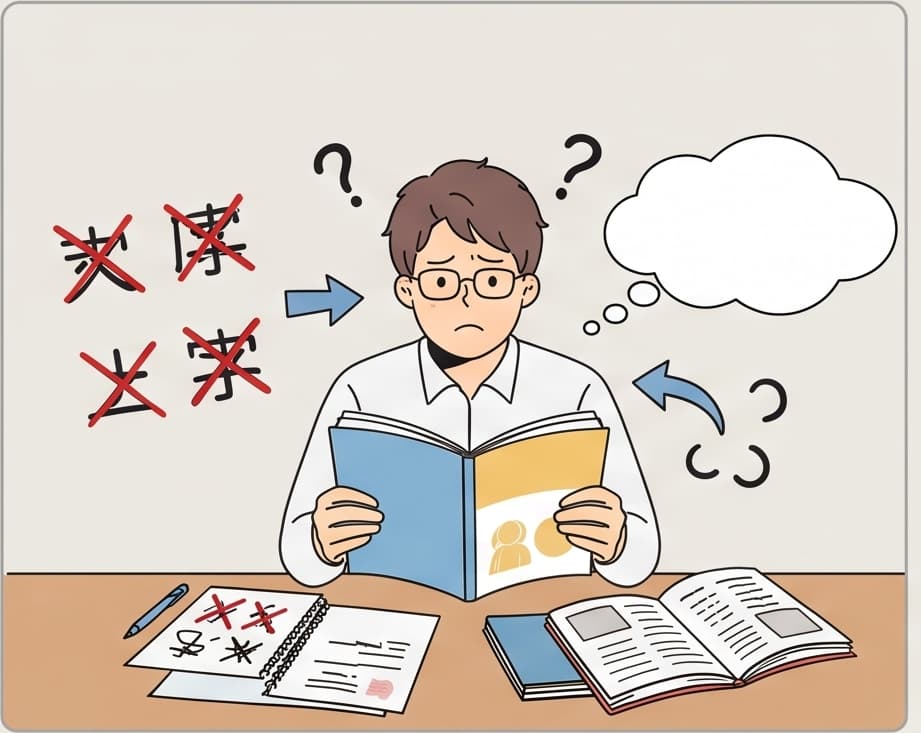
5 Common Mistakes Students Make While Preparing for JLPT N4
Preparing for the JLPT N4 often trips up learners who rely solely on rote memorization rather than practical application. The most frequent pitfall is treating N4 grammar like a simple checklist, which leads to confusion when particles and complex sentence connectors appear in long reading passages. Many students also delay listening practice until the final weeks, struggle because they memorize kanji in isolation rather than within vocabulary compounds, and fail to manage their time strictly during mock exams. Overcoming these hurdles requires integrating daily listening into your routine, reading graded native materials, and reviewing errors systematically instead of merely re-reading textbooks.